Sleeping Dog Embroidery Design Review
A First Look at the Sleeping Dog Illustration
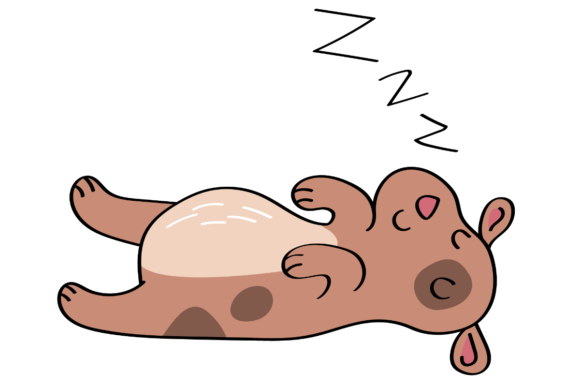
When I first opened the Sleeping Dog embroidery design file, I was immediately drawn to its charm and simplicity. The illustration of a lazy dog sleeping on its back with a full belly and floppy ears radiates coziness and innocence. It feels like a perfect fit for pet-themed projects or anything that needs a touch of gentle humor and warmth.
The overall mood is calming and inviting. The layout is centered and balanced, which makes it feel natural for placement on a variety of surfaces. The detail level is just right—not too intricate, but enough to give the dog character and personality. This kind of visual personality makes it ideal for nursery decor or baby-related items where softness and cuteness are key.
Real-Life Application: A Custom Embroidered Tote Bag
Let’s imagine using this design on a custom embroidered tote bag. As someone who has worked on many tote bag designs, I can see how the Sleeping Dog would stand out nicely against a light-colored fabric. The contrast between the soft lines of the dog and the sturdy canvas of the tote would create an appealing visual balance.
I envision this as a popular item for a small shop selling handmade products. Customers would likely appreciate the whimsical nature of the design, especially if it's paired with other pet-themed elements or used as a standalone feature. The dog's relaxed posture also makes it feel approachable, which is great for branding or personalized gifts.
However, there are some considerations when applying this design to different materials. For instance, if you're working with stretchy fabric, like a sweatshirt or a cap, the design might need extra stabilizer to prevent distortion. Also, if the fabric is dark or textured, the thread colors should be carefully chosen to ensure visibility and clarity in the final stitch.
Performance in Different Embroidery Projects
Sleeping Dog has a versatile appeal across various embroidery applications. It could work well as a custom apparel design, such as a sweatshirt or t-shirt embroidery. Its simple yet expressive style makes it suitable for handmade product lines, including aprons, pillow covers, or even tea towels.
For nursery decor, this design could easily be adapted into a patch or wall hanging. The floppy ears and sleepy expression add a sense of comfort, making it ideal for baby-related items. When considering holiday embroidery, the design might pair nicely with seasonal elements, though it may not be the best choice for more formal or detailed holiday themes.
In terms of commercial embroidery, this design could be a valuable asset for Etsy sellers or craft business owners looking to offer unique, high-quality digital embroidery files. Its clean lines and recognizable subject make it easy to integrate into a collection of design assets.
Where to Use with Caution
While Sleeping Dog is a strong design, there are certain situations where it might not perform as well. For example, when using it on small hoop sizes, the details might get lost, especially around the ears and belly area. It's important to test the design on scrap fabric before committing to a larger project.
If the fabric is thin or stretchy, additional support from a stabilizer will be necessary to maintain the integrity of the design. Also, for curved surfaces like caps or hats, the design may require some adjustments to ensure proper alignment and coverage.
Another consideration is the use of tiny lettering or dense stitch areas. While the Sleeping Dog doesn't have text, if you plan to add any, you'll want to ensure it complements the existing design without overwhelming it. Always check the stitch density and adjust accordingly for the fabric type and desired outcome.
Design Notes for Embroidery Professionals
Before using Sleeping Dog in a real project, here are a few practical steps to consider:
- Test the design on scrap fabric to see how it looks in practice.
- Check thread color contrast to ensure visibility on your chosen fabric.
- Review stitch density and adjust if needed for different fabrics.
- Confirm hoop size to avoid cutting off important details.
- Inspect small details like the ears and belly for clarity.
- Test in black and white mockups to see how it translates to different backgrounds.
- Compare on light and dark fabric to understand its versatility.
- Use proper stabilizer for stretchy or thin fabrics.
- Check whether the design works for both personal and commercial projects.
- Confirm licensing before selling finished items or digital products.
By following these steps, you’ll ensure that Sleeping Dog maintains its charm and quality in every project it's used for. Whether it's a personalized gift, handmade product, or part of a craft business, this design has the potential to enhance your work with its warm, approachable aesthetic.